
-> version FR
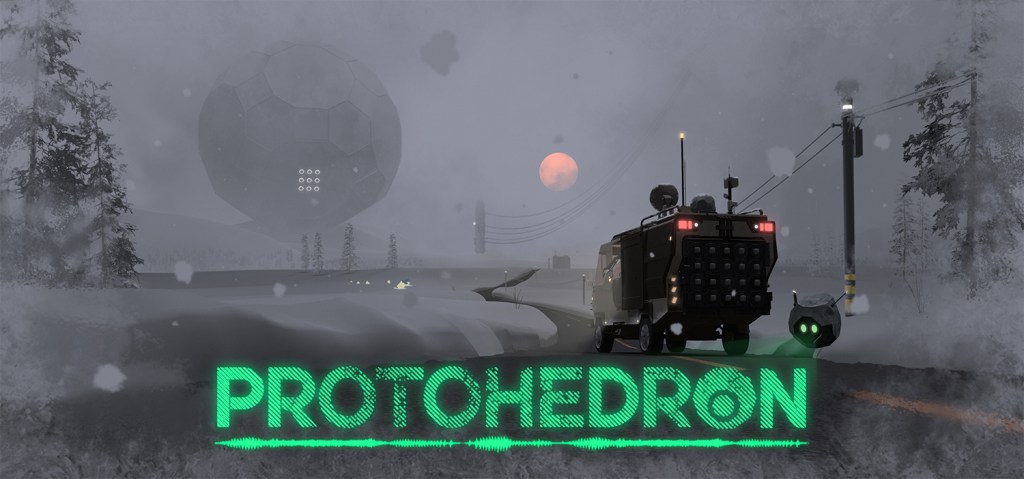
Protohedron is a first-person adventure and exploration game developed for the PC market. In the vein of The Long Drive, players travel along an endless road through a procedurally generated world. Along the way, players discover buildings to explore, where they gather items and resources essential for survival and progression. Protohedron applies this road trip formula to a moody retro sci-fi universe.
Context and game goal
The game takes place in a dystopian society shaped by the perpetual wars of several megacorporations. As a thick, foggy winter has engulfed the entire world, the player awakens in their workshop. Everything around them appears to have been abandoned, and only one message repeats endlessly, flooding screens and saturating the radio waves: EVACUATE.
The player follows this directive and hits the road. By exploring the various locations they come across, they gradually gain a better understanding of the situation, until they eventually discover the existence of the Protohedron. From that moment on, their goal becomes to find it and uncover its secret.

Gameplay
Protohedron features a gameplay system based on physics interaction: the game is fully non-modal, meaning that all player actions take place within the game’s diegesis, without relying on any external interface.
The gameplay is built around three core pillars: driving, exploration, and survival.
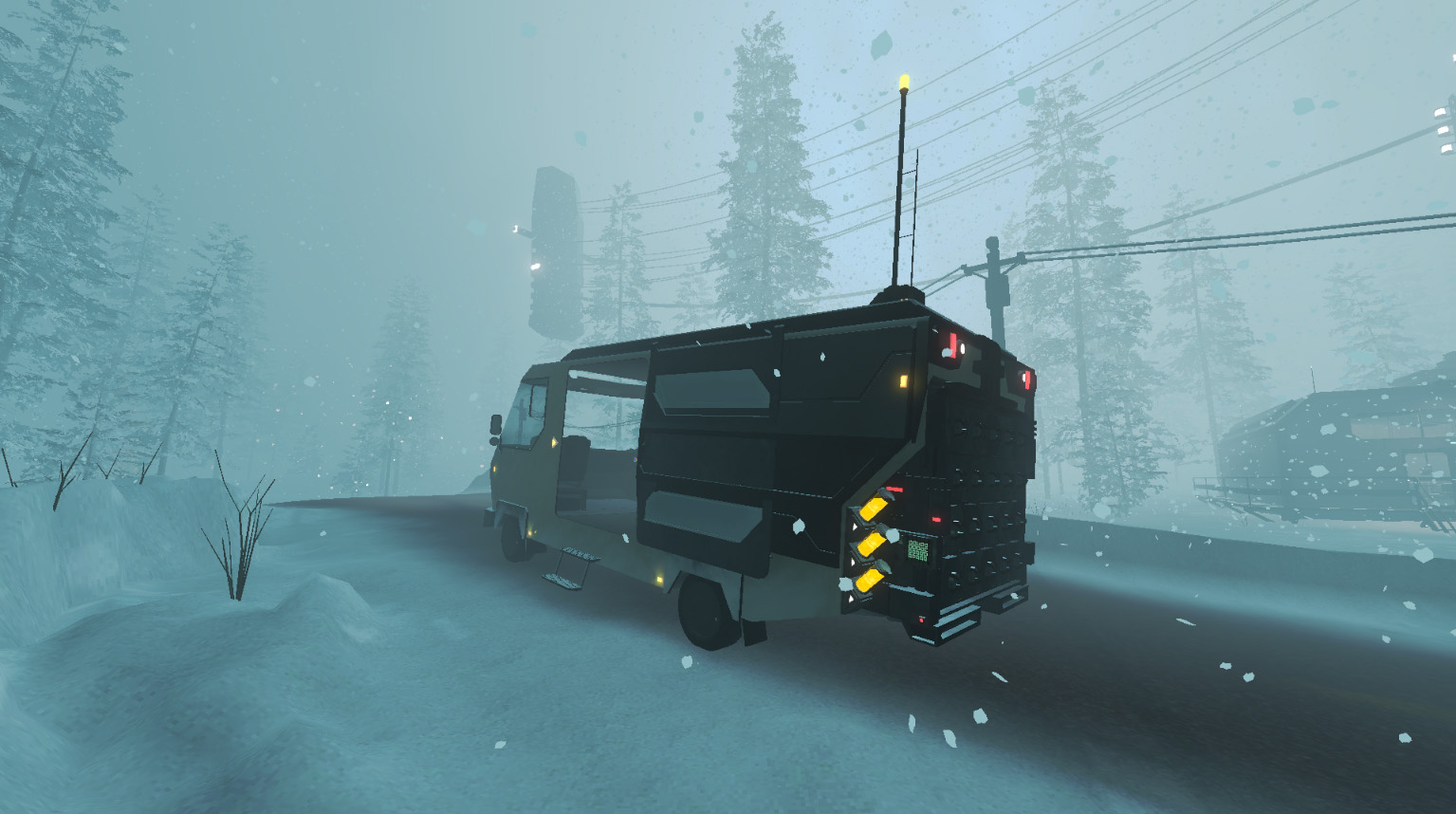
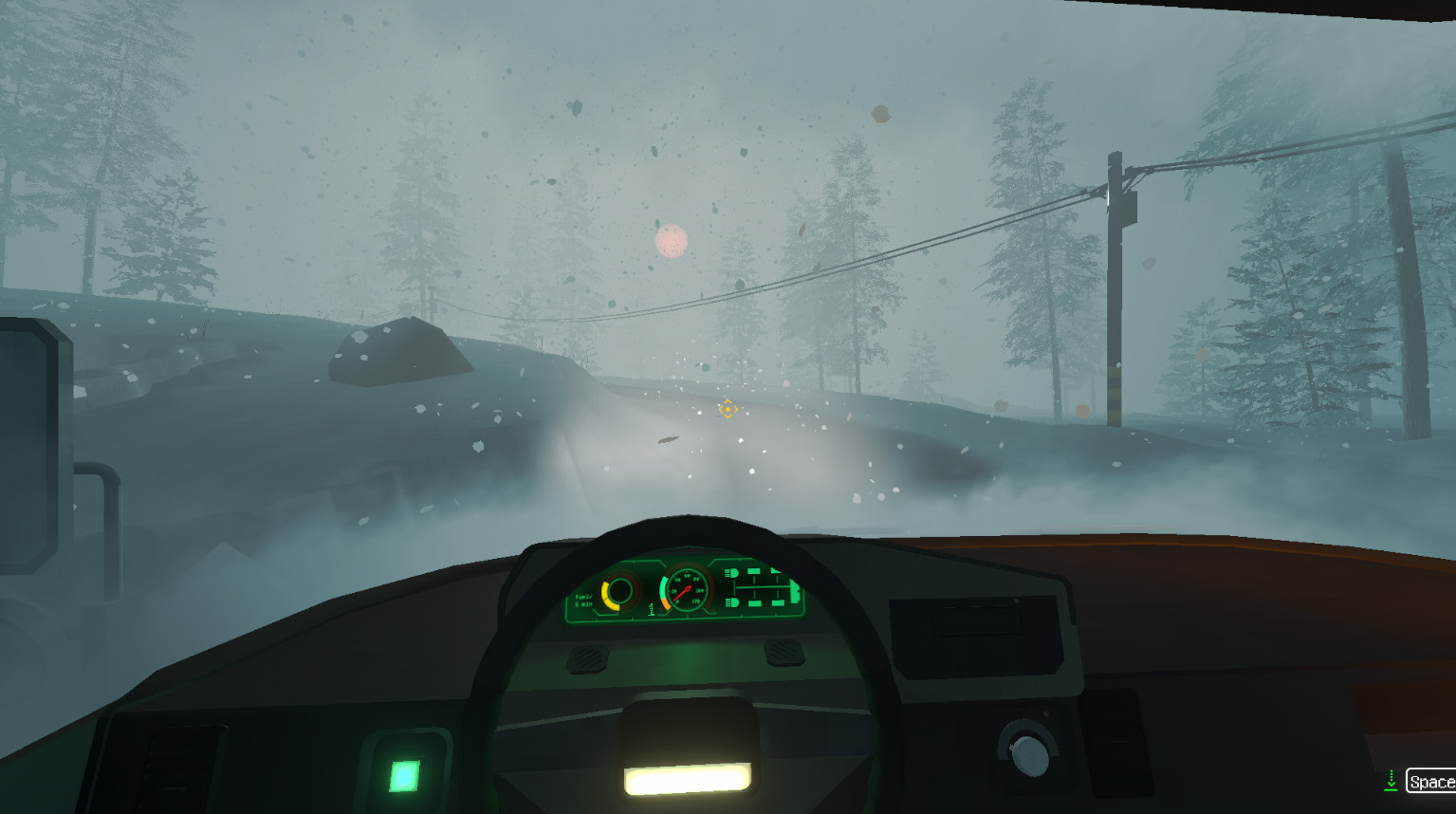
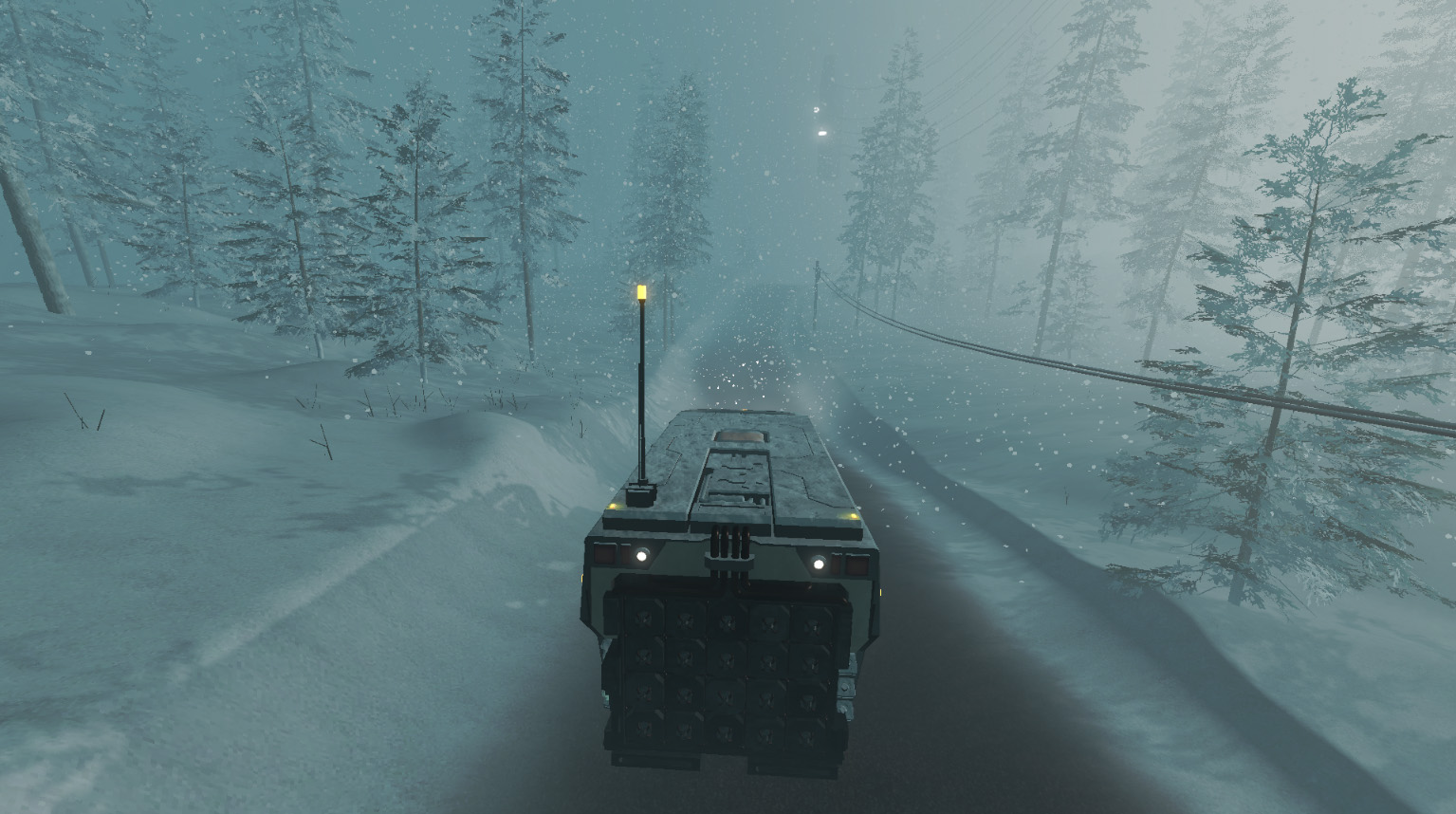
The player controls a vehicle designed as a mobile base: it serves as their primary means of transportation, survival, and progression. It can be customized (paint, accessories), upgraded (engine modules, protections, wheels), and repaired. Damage management (threats, traps, or accidents) plays a key role in the gameplay and acts as a progression mechanic for the player.
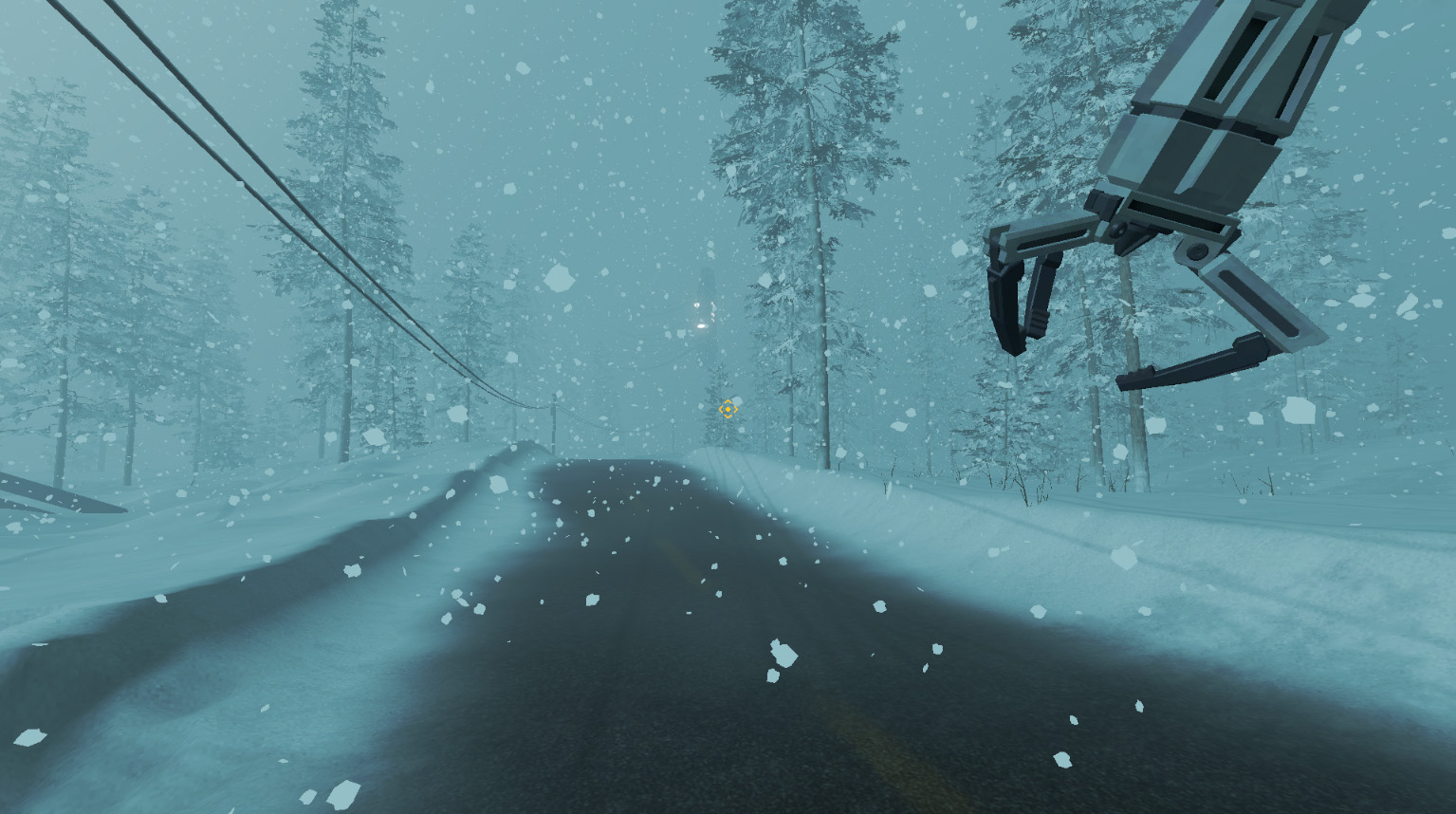

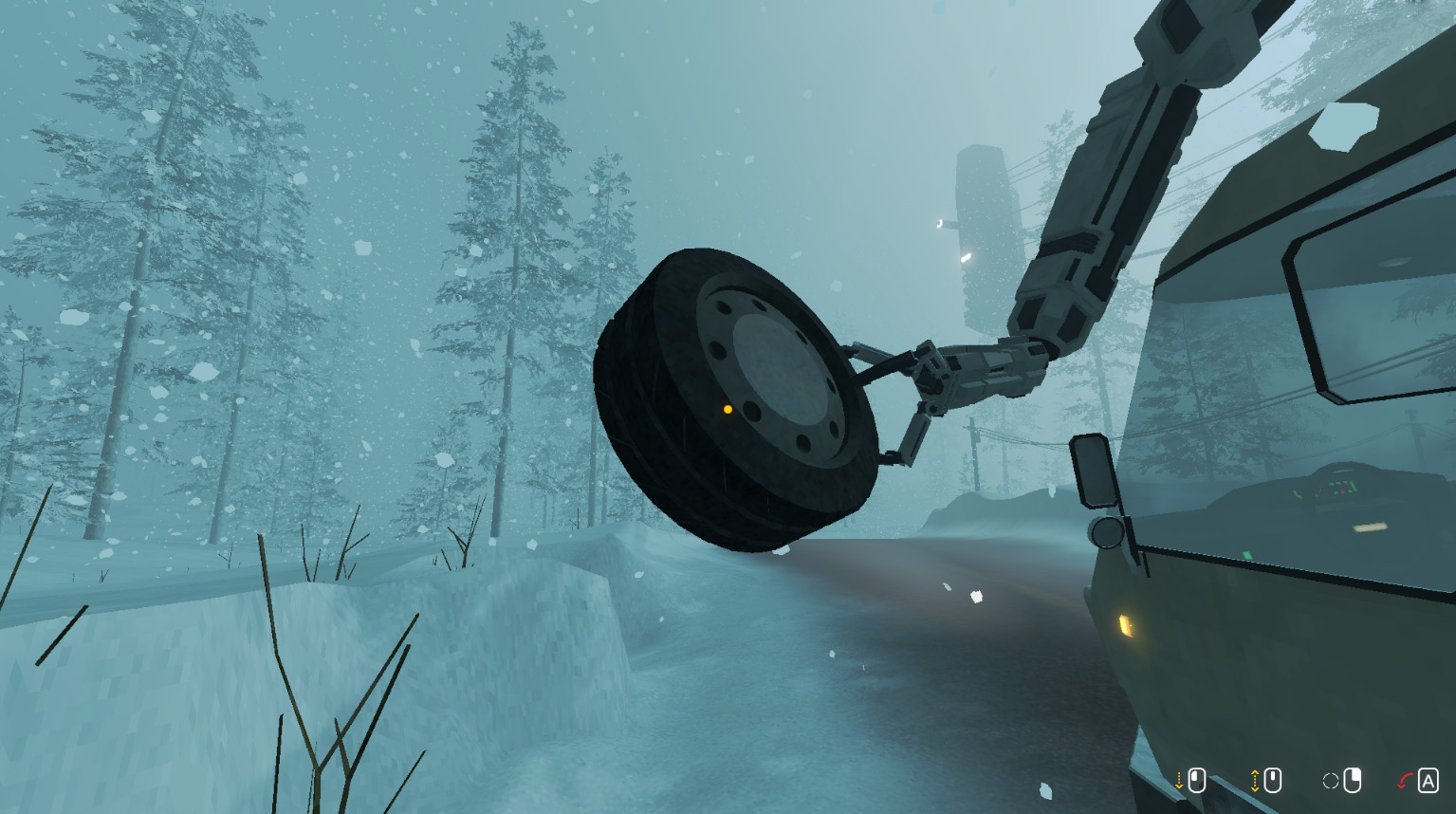
Thanks to their Exolimb (mechanical arm), the player can grab, manipulate, throw, and attach various objects in the game. These abilities complement the basic actions (running, jumping, grabbing and climbing ledges) to create an organic gameplay offering many possibilities across all aspects of the game (vehicle customization, loot management, environmental interaction, platforming, threat management).


The drone that follows the player throughout their adventure perfectly illustrates this interactive aspect: it serves as a diegetic HUD (its screen displays the player’s health and body temperature), acts as a systemic inventory (the player attaches loot and other useful items to it), and provides exploration assistance (when fixed to a surface, it functions as a platform to climb on, and its dim screen light allows minimal navigation in the dark), not to mention many other emergent uses that leverage the player’s creativity.
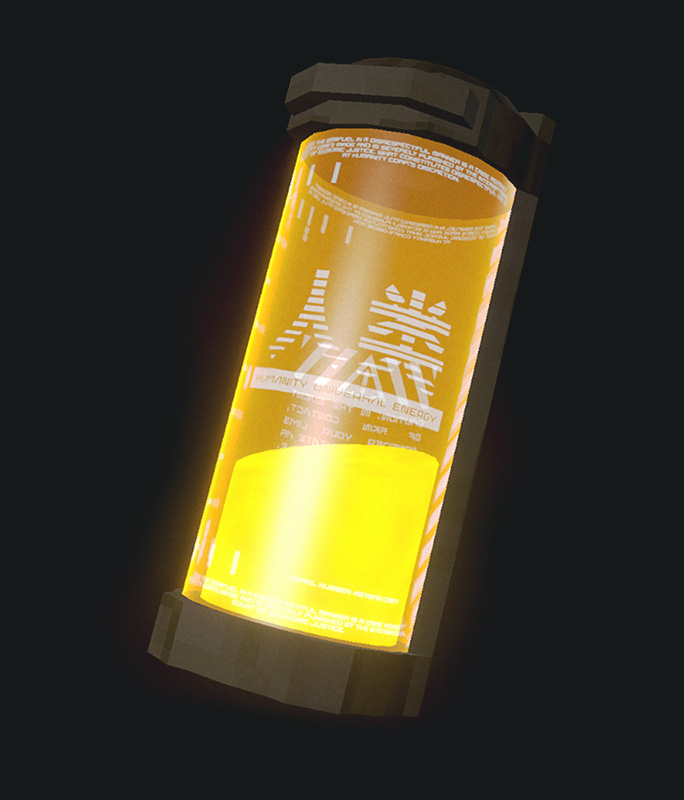
Omnifuel is the game’s primary resource. Its search, usage, and management form a central aspect of the adventure: directly lootable via capsules or transformable through an item recycling system, omnifuel powers the vehicle as well as all devices useful for exploration or essential for survival (lamp, heater, monitors). Omnifuel will also play an important role in accessing the final part of the game after entering the Protohedron.
Cold management is the cornerstone of the game’s survival aspect. In a wintry world governed by a full day/night cycle and dynamic weather, the player faces snowstorms that drop the temperature and force them to prepare accordingly (heating, shelter). Various threats complete the danger landscape (hostile drones, mines, traps).
World building and narration
Protohedron’s universe is inspired by the works of Simon Stalenhag and Ismail Inceoglu.
The former depicts retro-futuristic science fiction contrasting the banality of rural 90s landscapes with the threatening strangeness of technologically advanced superstructures. Similarly, the latter blends natural and post-apocalyptic landscapes with cyberpunk technologies infused with an 80s vibe.
Protohedron fits within this pursuit of highly atmospheric, near-future sci-fi, crafting its mood through the contrast between comforting elements the player can easily relate to and components that evoke a strong sense of strangeness.
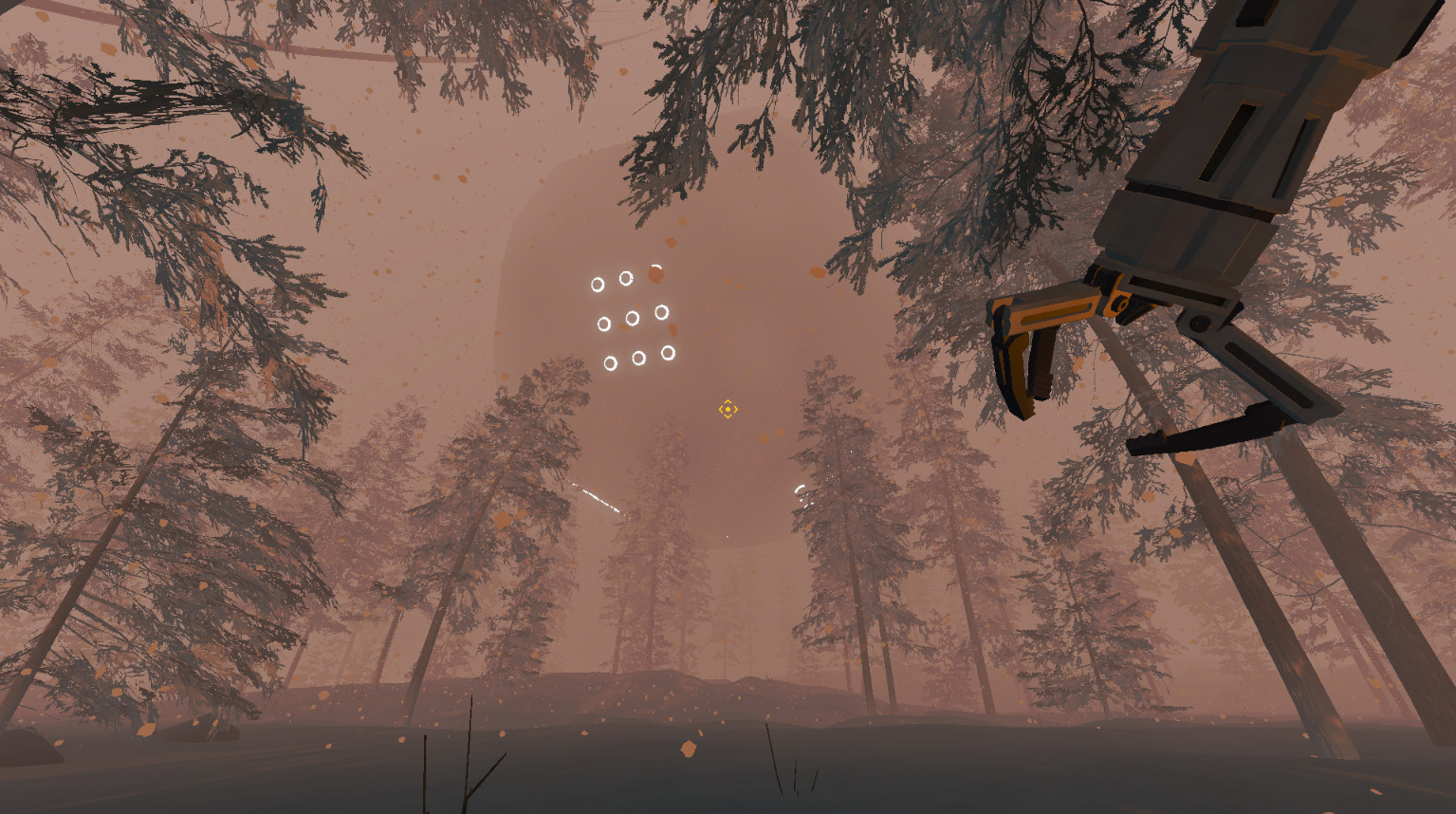
The Protohedron, the flying megastructure that gives the game its name, shapes the game’s identity through the aura of mystery surrounding it. At once menacing, exotic, and highly recognizable, it commands the player’s attention and exerts a strong pull on them. In this way, it drives the adventure, serving both as a MacGuffin and the ultimate goal.
The game builds its atmosphere through a combination of visual and sound elements that evoke 80s sci-fi (design, architecture, music).
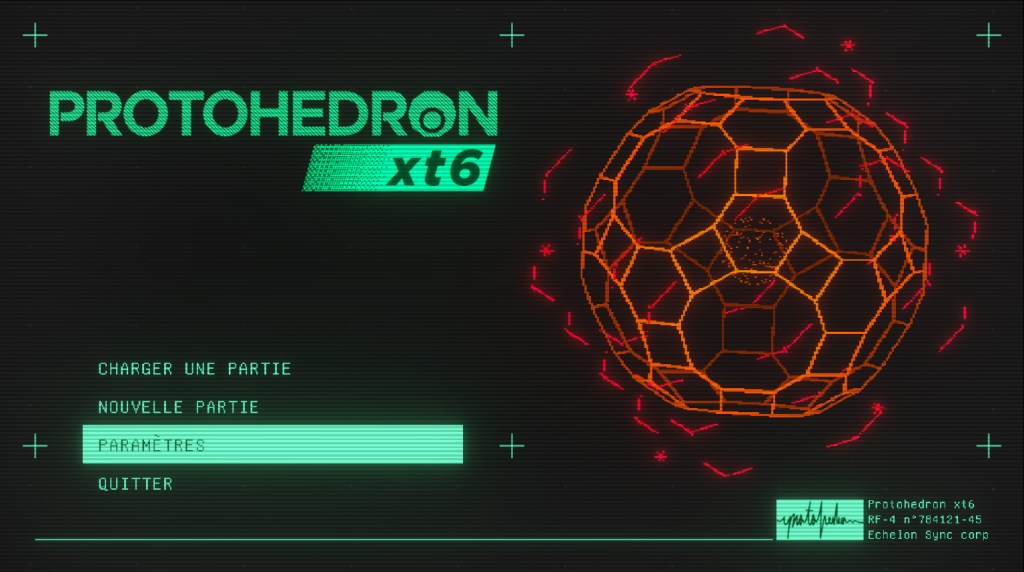
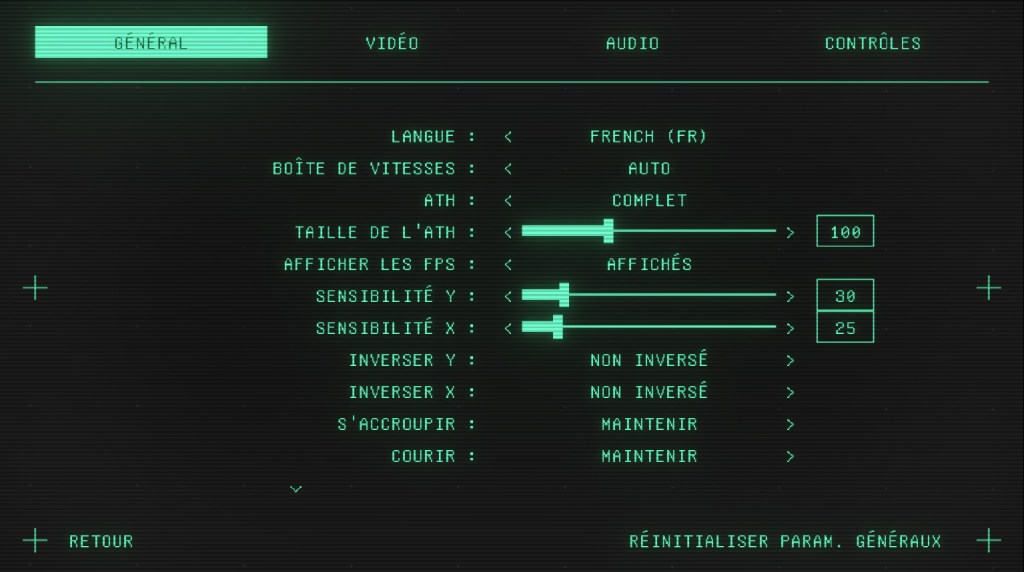
From the menu screen, the player faces the interface of a microcomputer tied to the game’s diegesis, immediately immersing them in the atmosphere while blurring the line between reality and fiction (one of the game’s underlying themes).
The sound environment places a strong emphasis on natural sound design (objects, environment), supported by subtle touches of synth-based ambient music that simply underscore certain moments (exploring a location, danger, nighttime travel), similar to Breath of the Wild, for example.
The overall environmental design of the game follows a principle of coexistence between affordance (the function of a system is intuitively understood by the player, creating a sense of familiarity) and the layering of elements that fuel a sense of mystery.


Here, an ordinary house surrounded by the menacing presence of a pylon and a monolith; a repair workshop frames the monolith, deepening the mystery around its purpose; and a save terminal whose strangeness contrasts with the normality of a vending machine.
Environmental storytelling that contributes to the world’s identity invites the player to connect the dots, making them proactive and fostering a deeper engagement with the game.
Diegetic posters and advertisements reinforce the game world and add depth to the environment. They serve three main functions:



1. Anchoring gameplay mechanics (bridging the gap between gameplay and fictional world).
2. Pure world-building element (providing information about the game’s universe).
3. Tutorial (diegetic explanation of a system or gameplay element).
A central element of the game, both a gameplay feature and a storytelling device, revolves around tuning into radio frequencies. Throughout the adventure, the player finds various antennas which, once mounted on their vehicle, allow them to receive new frequencies. Using a monitor (also attached to the vehicle), they can listen to sounds and/or view images captured from these frequencies.
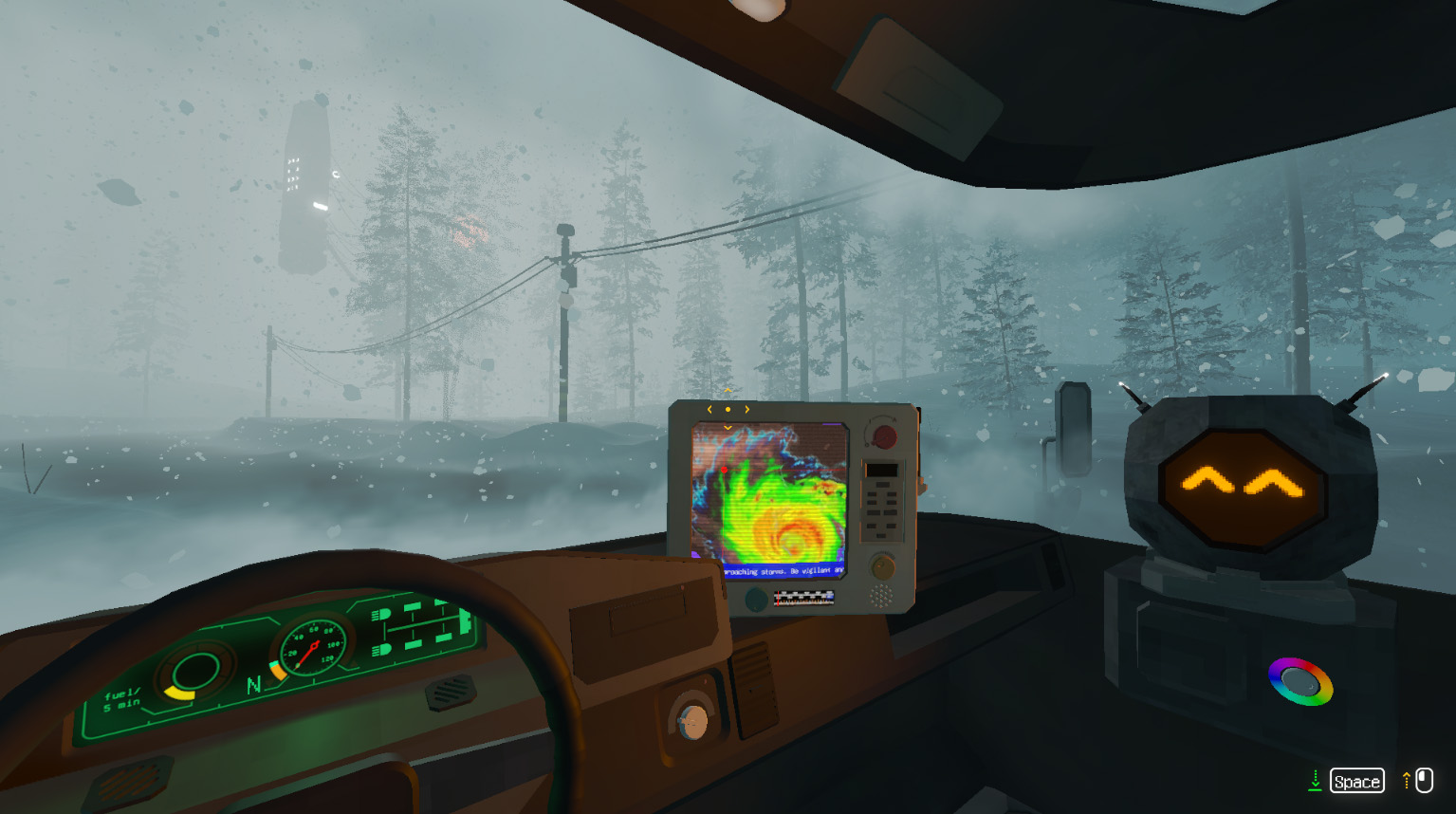
From a gameplay perspective, using radar and weather antennas allows the player to locate buildings and points of interest off the road, spot approaching storms, pick up the Protohedron’s signal, and detect dangers (mines, enemies).
From a narrative perspective, certain frequencies provide the player with more or less direct clues about the world’s situation (strange sounds, distress calls, fragments of enemy conversations, battlefield noises, broadcasts). This fragmented storytelling system enables the player to gradually deepen their understanding of the world as they discover and interpret the information received.
Finally, many other elements contribute to the game’s narrative environment, whether it’s the scenery, points of interest (structures, wrecks), explorable locations (secret lab, bunker), or staging elements (distant explosions, military planes flying overhead, combat mechas passing on the ground, alarms, neutral drones carrying out their tasks, and so on).


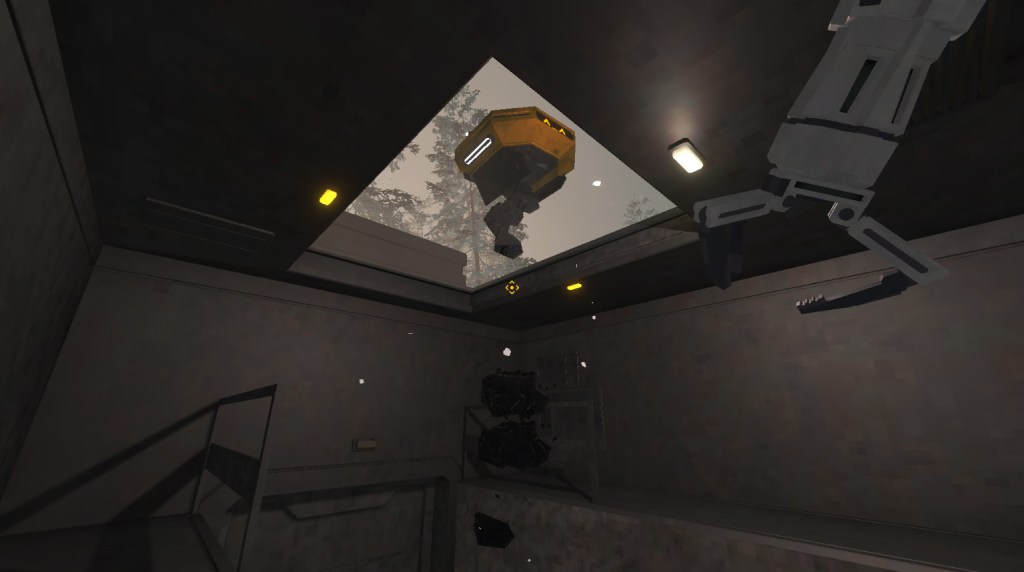
All the game systems, whether related to gameplay or storytelling, aim to give the player the feeling not that they are the hero of an adventure centered around themselves, but rather an ant-like observer of a world stretching far beyond their field of vision, like a war correspondent thrown into the heart of a global conflict.

Protohedron, in development.
Adrien Castex – programming, narrative design, game design, sound design.
Antoine Arzac – 3D/2D art, narrative design, game design, sound design.
 Antoine Arzac